
Rick Hendrick has spent decades watching NASCAR controversies rise and disappear, but the criticism surrounding Chase Elliott has apparently struck a nerve unlike almost anything the legendary team owner has witnessed before.
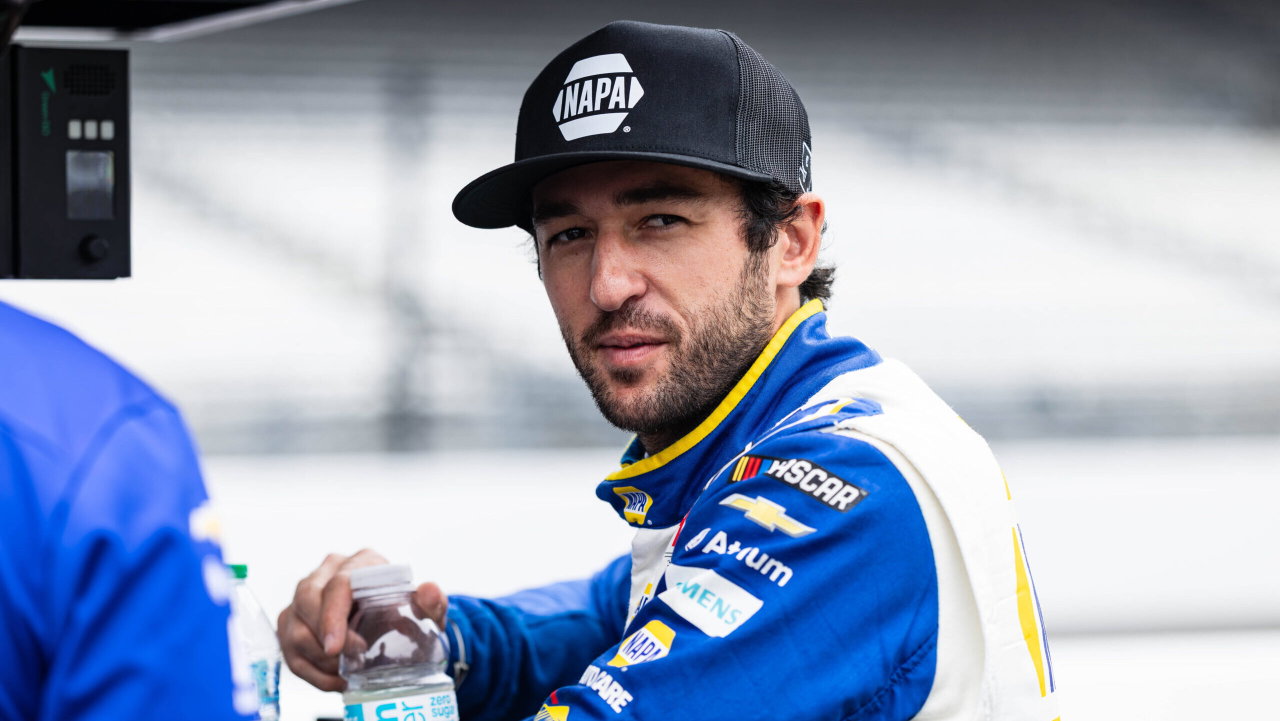
For years, Elliott has carried enormous expectations because of his name, popularity, championship pedigree, and position inside Hendrick Motorsports, where winning races is not simply celebrated but routinely expected by everyone.
Whenever Elliott struggles, even temporarily, the conversation becomes louder than it might for another driver, because millions of NASCAR fans constantly measure his performances against an extraordinarily demanding standard every weekend.
That pressure has created a strange reality around NASCAR’s most popular driver, where respectable performances can suddenly be described as failures simply because Elliott has previously demonstrated that he can achieve considerably more.
According to the dramatic statement circulating around Elliott’s situation, Hendrick reportedly framed the criticism as something deeper than ordinary racing debate, describing the attacks against his driver as fundamentally unfair and cruel.
“What’s happening to him is a crime against racing,” the statement declares, presenting an emotional defense of Elliott while challenging those who continually question his commitment whenever results fall below expectations temporarily.
The language immediately transforms the conversation from statistics into loyalty, raising an uncomfortable question for NASCAR fans: how much criticism should a driver absorb before legitimate analysis becomes something unnecessarily personal instead?
Nobody disputes that professional athletes should face scrutiny. NASCAR drivers compete for trophies, sponsorships, championships, contracts, and enormous financial rewards, meaning their performances naturally become subjects of intense public examination every week.
Yet Hendrick’s alleged frustration highlights another reality: fans rarely see everything happening behind garage doors, including physical discomfort, mechanical problems, strategy disagreements, organizational pressures, and countless challenges affecting performance throughout seasons.
Elliott has built his reputation around an unusually restrained public personality, rarely creating dramatic headlines through confrontations, excuses, or emotional outbursts even when circumstances have given him legitimate reasons to complain.
That personality sometimes works against him because silence creates an information vacuum, allowing critics to construct their own explanations whenever Elliott experiences disappointing finishes, difficult stretches, or missed opportunities on track.
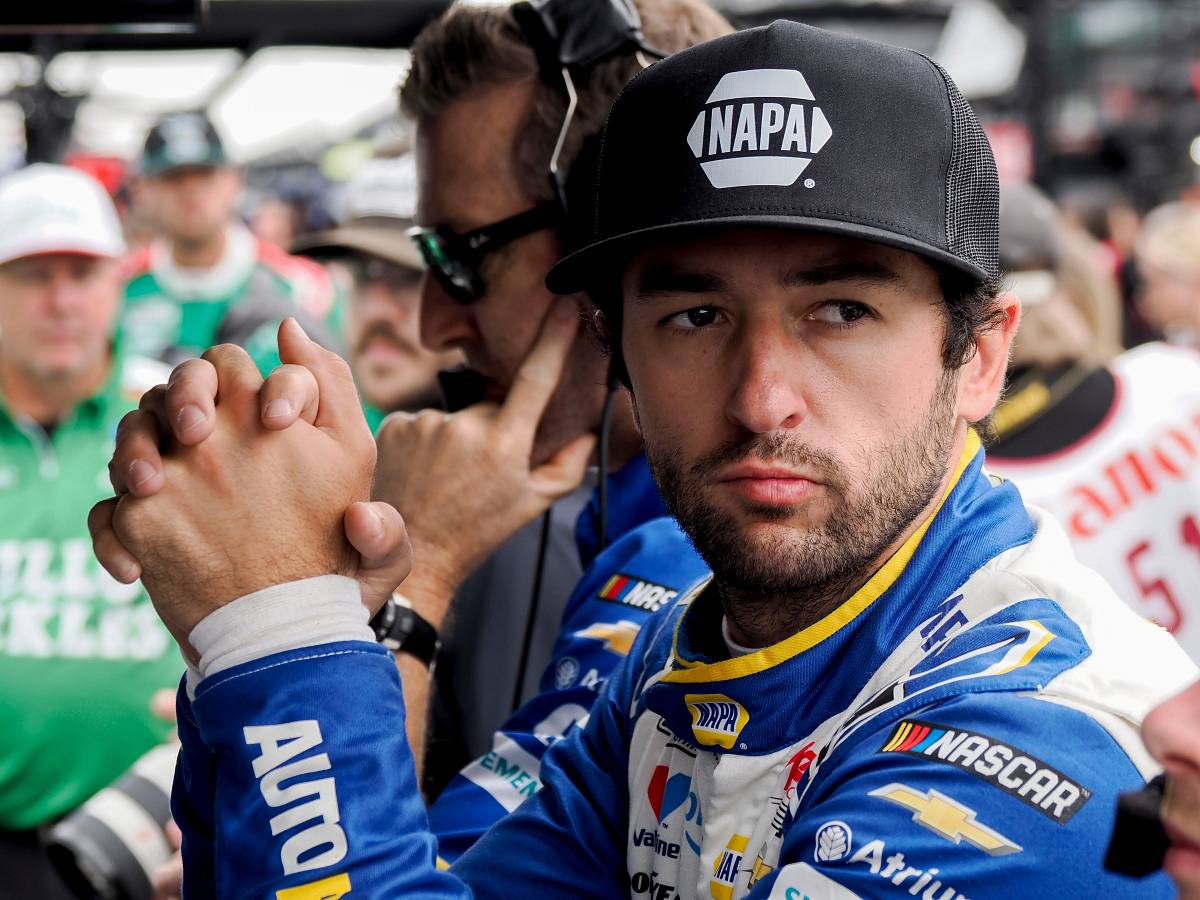
Instead of publicly blaming crew members, equipment, competitors, or circumstances, Elliott traditionally keeps his comments measured, focusing on what his team needs to improve rather than identifying individuals responsible for disappointing results.
For Hendrick Motorsports, that attitude carries considerable value because racing organizations depend upon internal trust, especially during difficult periods when frustration can quickly divide drivers, crew chiefs, engineers, mechanics, and executives internally.
The strongest part of Hendrick’s supposed defense therefore concerns Elliott’s loyalty rather than victories, suggesting his contribution cannot be measured exclusively through finishing positions, playoff points, trophies, or championship standings alone.
“He shows up every race,” the statement emphasizes, portraying Elliott as someone who continues working regardless of criticism, discomfort, pressure, or expectations surrounding one of NASCAR’s most recognizable organizations and drivers today.

That description resonates because NASCAR careers are brutally demanding. Drivers spend seasons traveling constantly, facing dangerous speeds, physical punishment, media obligations, sponsor responsibilities, simulator sessions, meetings, testing, and relentless preparation schedules.
Every disappointing Sunday produces another week of analysis, and popular drivers receive significantly more attention because television programs, podcasts, social media pages, commentators, and fans continuously debate every visible mistake afterward.
Elliott exists directly inside that spotlight, carrying both the advantages and burdens associated with becoming NASCAR’s perennial fan favorite and one of Hendrick Motorsports’ most commercially important personalities in modern competition.
When Elliott wins, enormous sections of NASCAR celebrate. When he struggles, however, equally enormous sections immediately begin asking whether something has changed, whether confidence disappeared, or whether his best years passed.
Those reactions illustrate how quickly modern sports narratives move. A driver can produce excellent performances for months, experience several disappointing weekends, and suddenly become the subject of dramatic questions about his future.
Hendrick’s reported message pushes directly against that culture, arguing essentially that temporary adversity should not erase years of commitment or justify treating a loyal driver as though his contributions suddenly mean nothing.
That argument will undoubtedly divide fans because NASCAR audiences have never been shy about criticizing drivers, particularly competitors representing powerful organizations equipped with resources capable of winning championships every single season consistently.
Some observers will argue Elliott receives enough support already, pointing toward his popularity, sponsorship strength, championship history, equipment, and massive fanbase as reasons criticism should simply be considered part of professional racing.
Others will agree with Hendrick’s apparent position, believing Elliott receives disproportionately intense criticism precisely because expectations surrounding him are significantly higher than those placed upon many equally talented competitors in NASCAR today.
Both perspectives contain legitimate arguments, but the emotional center of Hendrick’s message appears focused less on preventing criticism and more on defending Elliott’s character against accusations questioning his dedication or determination.
That distinction matters because criticizing racecraft is different from questioning effort. Drivers can make mistakes, teams can execute poorly, strategies can fail, yet none automatically prove someone lacks commitment to winning races.
Elliott’s career provides substantial evidence that he understands pressure. Becoming NASCAR’s most popular driver while competing for Hendrick Motorsports means expectations accompany him into virtually every garage, interview, race, and postseason appearance.
He also carries the legacy associated with his father, Bill Elliott, whose popularity created enormous expectations long before Chase established his own identity through victories and eventually a Cup Series championship campaign.
Rather than disappearing beneath that legacy, Chase built an independent following, producing memorable victories, championship performances, road-course success, playoff moments, and emotional celebrations that helped define NASCAR’s current generation of competitors.
Those accomplishments explain why difficult periods create such intense reactions. Fans remember Elliott competing at championship level, meaning anything below that standard can feel dramatically worse than the identical performance from another driver.
But motorsports rarely follows predictable trajectories. Equipment changes, competition improves, rules evolve, teammates gain momentum, track characteristics shift, and seemingly minor technical differences can separate winning cars from midfield contenders instantly.
Even elite organizations experience cycles where one driver appears stronger than another, and Hendrick Motorsports itself has repeatedly demonstrated how quickly competitive momentum can move between teammates during lengthy NASCAR seasons unexpectedly.
That reality makes judging a driver solely through short stretches particularly dangerous because NASCAR’s schedule contains enough variability that several difficult races can dramatically distort perceptions about someone’s overall competitive capability very quickly.
Hendrick has managed championship-caliber drivers across generations, giving him unusual perspective regarding performance cycles and the psychological pressure surrounding athletes expected to deliver victories virtually whenever engines fire on Sunday afternoons.
If anyone understands how quickly public narratives can change, it is an owner who has watched legendary careers contain spectacular peaks, frustrating valleys, painful defeats, extraordinary recoveries, and unforgettable championship breakthroughs.
Therefore, a passionate defense of Elliott would represent more than simple owner loyalty. It would communicate Hendrick Motorsports’ willingness to protect a driver whose internal contribution may extend beyond publicly visible statistics alone.
Teams know which drivers arrive prepared. They know who participates seriously in meetings, communicates effectively with engineers, supports mechanics, accepts responsibility, studies data, and continues working when competitive circumstances become frustrating internally.
Fans cannot fully evaluate those qualities from television broadcasts, which naturally concentrate on racing action, finishing positions, incidents, interviews, and championship implications rather than countless hours of behind-the-scenes preparation every single week.
That hidden work appears central to the statement’s description of Elliott as someone who “quietly fights,” language emphasizing perseverance rather than spectacle and suggesting Hendrick values behavior outsiders rarely get to witness.
Modern sports increasingly rewards dramatic personalities because controversy generates attention, engagement, headlines, reactions, and social-media arguments, yet Elliott generally represents the opposite approach, preferring understated communication instead of constant self-promotion publicly.
That restraint can make defending him difficult because quieter athletes rarely control narratives aggressively. When criticism grows, they often allow performances to answer questions rather than responding through confrontational interviews or online arguments.
Hendrick’s intervention, within this dramatic framing, therefore becomes significant because the owner effectively speaks where Elliott usually does not, placing organizational authority behind a driver facing escalating questions about his performance recently.
The phrase “people should be standing behind him” also challenges the concept of fandom itself, suggesting supporters should demonstrate loyalty most strongly during adversity rather than appearing exclusively when victories and trophies arrive.
Of course, sports fandom does not require unconditional approval. Supporters can love a driver while questioning strategy, execution, aggressiveness, consistency, communication, or mistakes that potentially cost valuable positions during important races too.
But Hendrick’s argument seemingly draws a boundary between constructive criticism and personal attacks, particularly commentary implying Elliott no longer cares, lacks effort, or somehow betrays the organization whenever performance declines temporarily.
Those accusations would understandably frustrate team leadership if internal evidence shows the opposite: a driver working relentlessly while confronting problems that outsiders cannot completely identify through finishing results or television coverage alone.
NASCAR history repeatedly demonstrates that elite drivers can experience extended droughts before returning to victory lane, sometimes because tiny improvements suddenly reconnect confidence, setup quality, strategy execution, and competitive momentum again.
A struggling stretch therefore does not automatically represent decline. Sometimes it represents the difficult middle chapter preceding resurgence, particularly inside organizations possessing engineering depth, resources, experienced personnel, and championship-level institutional knowledge.
For Elliott, the challenge becomes separating external noise from internal objectives. Every weekend offers another opportunity to reset the conversation, yet chasing public approval can easily become more distracting than pursuing performance improvements.
His strongest response will ultimately come from the racetrack because victories transform narratives faster than statements. One successful afternoon can silence months of speculation and immediately replace doubt with championship expectations once again.
Until that happens, however, the debate surrounding Elliott will continue because popularity magnifies everything. Every restart, pit stop, radio conversation, qualifying result, and finishing position becomes evidence supporting someone’s preferred interpretation online.
Supporters will point toward resilience and previous accomplishments. Critics will emphasize recent disappointments. Neutral observers will search statistics for explanations, while Hendrick Motorsports continues concentrating on solutions inside its competitive operation daily.
That tension creates compelling NASCAR drama because Elliott occupies a rare position where his performance affects more than one team’s standings; it influences conversations across an enormous portion of the sport’s audience.
When NASCAR’s most popular driver struggles, the entire ecosystem notices. Television discussions increase, social-media arguments intensify, rival fanbases react, supporters become defensive, and every new race receives additional scrutiny from viewers nationwide.
Hendrick’s emotional defense, if treated as commentary rather than confirmed reporting, captures that broader frustration perfectly: successful athletes are sometimes judged not against competitors but against idealized versions of themselves constantly.
Elliott is effectively competing against memories of Elliott: the championship winner, road-course specialist, playoff threat, fan favorite, and driver expected to contend whenever Hendrick Motorsports unloads competitive equipment at any circuit.
That comparison can become unfair because no athlete permanently operates at peak performance. Racing careers naturally fluctuate, and sustained excellence requires constant adaptation against competitors working equally hard to discover advantages themselves.
The question now becomes whether criticism motivates Elliott, distracts him, or simply disappears into background noise as he continues preparing for the next opportunity to demonstrate why Hendrick maintains such confidence in him.
If Hendrick truly believes Elliott remains relentless internally, then organizational patience could prove valuable. Stability often allows drivers and teams to diagnose problems without making emotional decisions based upon temporary public pressure alone.
However, patience cannot eliminate expectations. Hendrick Motorsports exists to win, and Elliott understands better than almost anyone that driving for NASCAR’s most successful organizations means results will always determine major conversations eventually.
That balance between loyalty and accountability defines the controversy. Hendrick can defend Elliott’s character while simultaneously demanding improvement, because supporting a driver does not require pretending every performance meets championship standards either.
Similarly, fans can criticize results without attacking character. NASCAR discussion becomes healthier when supporters distinguish between analyzing mistakes and declaring that a driver has somehow stopped caring because victories become less frequent.
Elliott’s next chapter therefore carries fascinating stakes. Every strong performance can rebuild momentum, while every difficult weekend potentially renews questions that Hendrick’s passionate defense is attempting to challenge or contextualize publicly.
For Elliott supporters, the message is simple: adversity represents precisely when loyalty matters. Anyone can celebrate victory lane, but remaining supportive during difficult stretches demonstrates a fundamentally different relationship with competition altogether.
For critics, Hendrick’s defense will not erase legitimate questions about results, but it should encourage discussion grounded in evidence rather than assumptions about effort, personality, courage, motivation, or private team dynamics.
Ultimately, NASCAR will provide the answer the way racing always does: through laps, strategy, execution, speed, consistency, and moments where drivers either capitalize on opportunities or watch them disappear before them.
If Elliott returns to victory lane, this period may eventually look like another temporary storm surrounding a driver whose popularity guarantees that every competitive fluctuation becomes dramatically amplified across NASCAR discussion everywhere.
If struggles continue, questions will inevitably intensify, and Hendrick Motorsports will face increasing pressure to explain what must change mechanically, strategically, or organizationally to restore Elliott’s championship-level competitiveness in future races.
Either way, reducing Elliott’s career to one difficult stretch ignores everything required to survive at NASCAR’s highest level, where talent alone never guarantees championships, longevity, loyalty, popularity, or sustained competitive relevance.
Hendrick’s reported defense resonates because beneath the dramatic language sits a universal sporting argument: athletes deserve accountability for performance, but commitment should not be casually questioned without understanding what happens behind scenes.
Chase Elliott remains one of NASCAR’s most closely watched competitors, meaning silence around him is nearly impossible. Success generates celebration, adversity generates controversy, and every comeback attempt becomes another national racing conversation.
Perhaps that is ultimately Hendrick’s message: judge Elliott’s results, debate his performances, question decisions when necessary, but do not mistake temporary struggles for proof that his determination, loyalty, or heart disappeared.
Because championships reveal talent, adversity reveals persistence, and the drivers remembered longest are often those who continued working when criticism became loudest, expectations became heaviest, and winning suddenly seemed painfully distant.
